

In the world of coloured gemstones, treatments are commonplace. Understanding what treatments exist, how they affect value, and why disclosure matters is essential for any serious collector or investor.
Important Principle
The issue with treatments isn't that they exist - it's when they're not disclosed. Reputable dealers always reveal any treatments, and professional certification will identify them.
Common Gemstone Treatments
Heat Treatment
The most common treatment involves heating gemstones to high temperatures (typically 800-1800°C) to improve colour and clarity. Heat treatment has been practiced for centuries and is generally accepted in the trade when disclosed.
- Sapphires: Heat can dissolve rutile silk, improving clarity, and intensify blue colour.
- Rubies: Heat treatment can improve colour and reduce visible inclusions.
- Tanzanite: Nearly all tanzanite is heated to transform brown/yellow material to violet-blue.
Clarity Enhancement
Various substances may be used to fill fractures and improve a stone's apparent clarity:
- Oil Treatment (Emeralds): Traditional treatment using cedar oil to fill surface-reaching fractures. Accepted when disclosed.
- Resin Filling: More permanent than oil but considered a more significant treatment.
- Glass Filling (Rubies): Lead glass filling of heavily fractured rubies. Significantly reduces value and durability.
Diffusion Treatment
Elements are diffused into a stone's surface at high temperatures to alter colour. Surface diffusion creates a shallow colour layer, while newer beryllium diffusion can penetrate deeper. Both treatments significantly impact value.
Irradiation
Exposure to radiation can alter or intensify colour. Blue topaz is routinely irradiated - nearly all blue topaz on the market has been treated. Some fancy colour diamonds are also irradiated.
Treatment Acceptance Guide
Generally Accepted
Heat treatment, minor oil in emeralds - widely practiced and accepted when disclosed
Moderate Concern
Heavy oiling, resin filling, diffusion - significant value impact, must be disclosed
Significant Concern
Lead glass filling, heavy diffusion, coating - major durability/value concerns
The Premium for "No Heat"
Natural, untreated gemstones command increasingly significant premiums. A fine unheated Burmese ruby might sell for 30-50% more than a comparable heated stone. For investment-grade pieces, the premium can be even higher.
This premium reflects genuine rarity. Less than 5% of gem-quality sapphires reach the market without heat treatment. For rubies, the percentage is even lower. Collectors value these stones as nature created them, millions of years ago.
How Treatments Are Detected
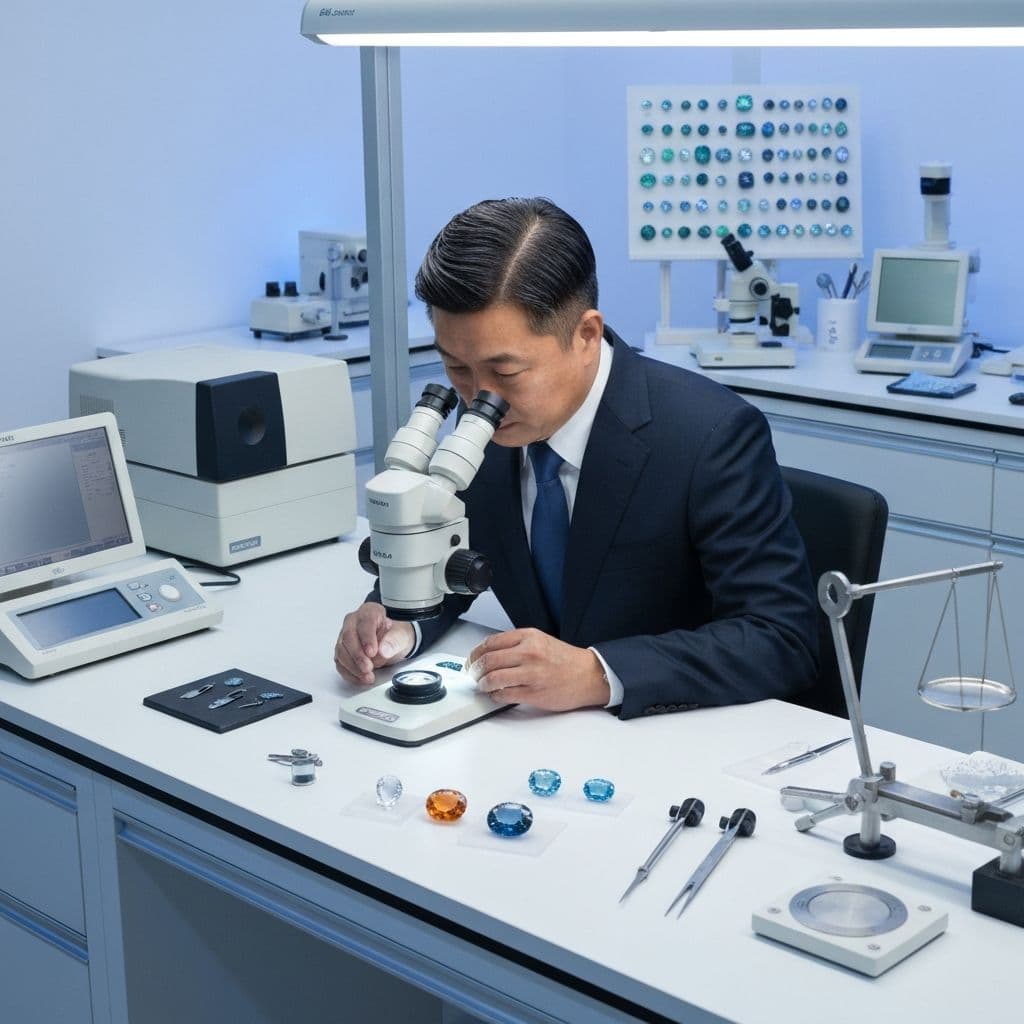
Modern gemological laboratories use sophisticated equipment to identify treatments:
- Microscopy: Skilled examination reveals tell-tale signs like dissolved silk, altered inclusions, or filled fractures.
- Spectroscopy: FTIR and UV-Vis spectroscopy detect chemical signatures of treatments.
- X-ray Fluorescence: Identifies foreign elements introduced through diffusion.
- Photoluminescence: Advanced techniques can detect subtle heat treatment effects.
The Glowgem Standard
We provide complete transparency about any treatments. All significant gemstones are accompanied by reports from respected laboratories (GIA, AGL, Gubelin, SSEF) that detail any detected treatments. Our commitment to untreated natural gemstones means that when we offer a "no heat" stone, you can trust that designation completely.
Questions to Ask
When purchasing any significant gemstone, always ask:
- Has this stone been treated in any way?
- What specific treatments, if any, has it undergone?
- Is there laboratory certification documenting treatment status?
- How do treatments affect the stone's durability and care requirements?
- How does the treatment status affect value?